
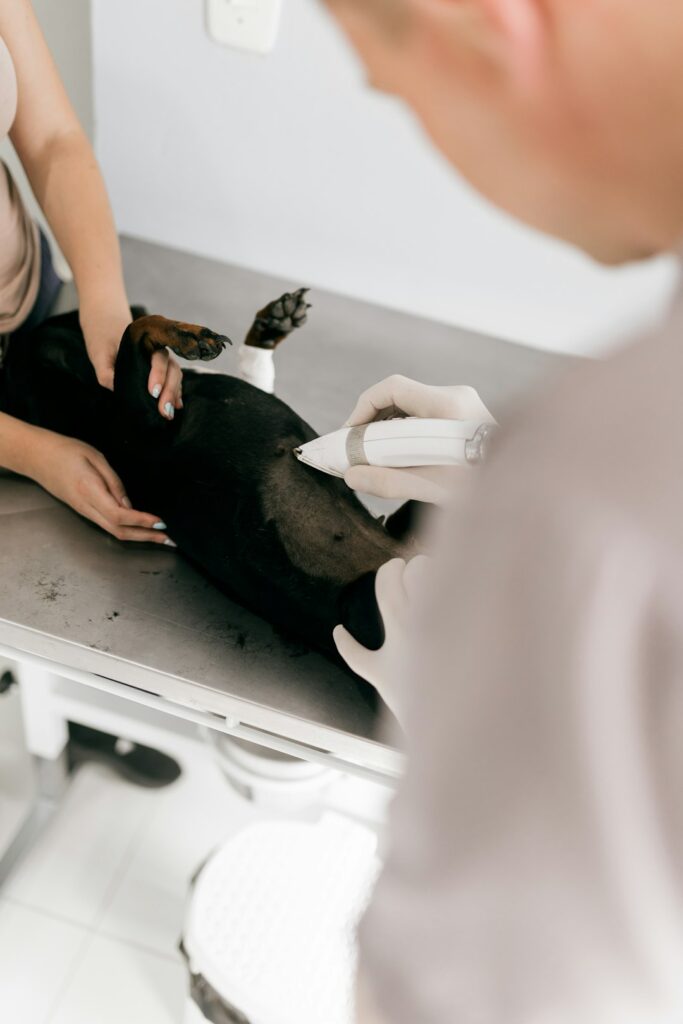
Pet insurance can be worth the cost for some households, but it is not automatically a good value for every pet owner. Its main purpose is to reduce the financial impact of unexpected veterinary treatment, not to guarantee that routine care will be inexpensive or fully covered.
For residents in Waverly, the decision often depends on a household’s savings, the pet’s age and health, the types of veterinary care the owner would pursue, and the ability to pay a large bill before reimbursement.
What does pet insurance usually cover?
Most pet insurance policies fall into three broad categories: accident-only coverage, accident-and-illness coverage, and wellness or preventive-care coverage.
Accident-only plans may help with injuries such as broken bones, swallowed objects, cuts, or damage caused by an accident. Accident-and-illness plans generally provide broader protection for conditions such as infections, cancer, digestive disorders, allergies, and other illnesses, subject to the policy terms.
Wellness coverage may help with selected routine services, such as vaccinations, examinations, parasite prevention, or dental cleanings. These options are often structured differently from major medical coverage and may have their own annual limits.
Coverage varies widely. A policy may include:
- Diagnostic testing
- Surgery and hospitalization
- Prescription medications
- Emergency treatment
- Specialist care
- Treatment for hereditary or congenital conditions, if specifically included
- Alternative or rehabilitative treatment, depending on the plan
Routine care, breeding-related services, cosmetic procedures, grooming, boarding, and certain behavioral treatments may be excluded or covered only through an added option.
How does reimbursement work?
Pet insurance commonly works on a reimbursement model. The owner generally pays the veterinary bill first, submits documentation, and then receives reimbursement for eligible expenses after the deductible and other policy terms are applied.
This is one of the most important practical differences between pet insurance and many human health plans. A policy may help with the final cost, but it may not solve the immediate problem of paying a large bill.
For example, suppose a covered treatment costs $4,000. If the policy has a $500 deductible and reimburses 80% of eligible expenses after the deductible, the owner may still need to pay the veterinary provider upfront. The final reimbursement would depend on whether the full treatment qualifies, whether there is an annual limit, and how the policy calculates the covered amount.
Some plans reimburse based on the actual veterinary bill. Others use a benefit schedule, usual-and-customary fee limits, or other formulas. Those details can create a significant difference between the amount paid and the amount reimbursed.
Are pre-existing conditions covered?
Usually, pre-existing conditions are excluded. A pre-existing condition generally means an illness, injury, symptom, or related medical history that existed before coverage began or during a waiting period.
This can include more than a formal diagnosis. Earlier symptoms, test results, or treatment records may affect how a condition is classified. Some policies may distinguish between curable and incurable conditions, but the definitions differ.
For that reason, enrolling a pet while it is young and healthy may provide broader future coverage than waiting until medical problems appear. However, buying early does not guarantee coverage for every condition, and hereditary, congenital, bilateral, or breed-related conditions may have special limitations.
A medical record review or examination may also affect underwriting. Reading the policy’s definition of “pre-existing condition” is more useful than relying on a general statement that the plan covers accidents and illnesses.
What costs should be compared?
The monthly premium is only one part of the cost. A careful comparison should include:
- Annual or per-condition deductibles
- Reimbursement percentage
- Annual, lifetime, or per-condition limits
- Waiting periods
- Excluded conditions and treatments
- Age limits for enrollment
- Premium changes as the pet gets older
- Claim processing time
- Whether exam fees are covered
- Whether prescription medication is included
- Whether dental illness is covered
- Whether coverage is based on the actual bill or a benefit schedule
A lower premium may come with a higher deductible, a lower reimbursement percentage, or stricter limits. A more expensive plan may provide broader protection but still exclude important categories of care.
The useful comparison is not simply “Which policy costs less?” It is “How much financial protection would this policy provide during the type of emergency that concerns the household most?”
When may pet insurance be worth the cost?
Pet insurance may be a reasonable choice for an owner who would struggle to pay a large unexpected bill but wants to preserve the ability to pursue extensive treatment.
It may also appeal to households with:

- A young pet likely to remain insured for many years
- A breed with known risks of certain medical conditions
- Multiple pets and concern about several unexpected expenses
- Limited emergency savings
- A strong preference for making treatment decisions based on medical options rather than available cash
In rural and smaller-community settings, specialized treatment may require travel and additional expenses. A policy will not necessarily cover transportation or every related cost, but broader access to reimbursement may make advanced treatment more financially manageable.
Insurance can also provide budgeting consistency. Paying premiums during healthy years may feel inefficient, but the purpose is to transfer some risk before a major illness or injury occurs.
When might saving money be a better fit?
Self-funding may be more practical for an owner who has enough savings to handle a substantial veterinary bill and prefers complete control over the money.
A dedicated emergency fund avoids waiting periods, claim decisions, exclusions, and reimbursement delays. It can also be used for routine care or conditions that pet insurance does not cover.
However, saving only works if the money is available before the emergency happens. An owner who intends to build a fund gradually should consider whether the account could cover a serious accident or illness during the first year.
For older pets or animals with significant medical histories, insurance may provide limited value if many likely conditions are excluded. In those cases, comparing the policy’s actual exclusions with the pet’s known health risks is essential.
Does pet insurance cover routine veterinary care?
Many standard accident-and-illness plans do not fully cover routine care. Preventive services may require a separate wellness option, which can function more like a budgeting arrangement than major medical protection.
Before paying extra for wellness benefits, estimate the annual value of the included services. If the added premium is close to or greater than the expected reimbursement, the option may offer convenience rather than meaningful savings.
Routine veterinary care remains important whether a pet is insured or not. Vaccinations, parasite prevention, dental care, weight management, and regular examinations can reduce health risks, but they are not automatically covered under every policy.
How should a Waverly household evaluate the decision?
Start with the largest realistic financial concern rather than the policy’s advertising summary. Consider whether the priority is injury protection, illness protection, routine-care budgeting, or all three.
A practical review can include these questions:
- Could the household pay a large veterinary bill today?
- Would a reimbursement delay create a problem?
- Is the pet young enough for broad future coverage?
- Are there existing symptoms or diagnoses that may be excluded?
- What deductible and annual limit would fit the household budget?
- Does the plan cover the veterinary services the owner would actually consider?
- Would a separate emergency fund provide more flexibility?
Pet insurance is best viewed as financial risk management, not as a guarantee of low veterinary costs. For some owners, the premiums are worthwhile because they reduce the fear of an unaffordable emergency. For others, maintaining a well-funded pet emergency account may offer greater flexibility and comparable peace of mind.
The right choice depends less on whether pet insurance is universally “worth it” and more on whether the policy’s exclusions, limits, reimbursement rules, and cost match the household’s financial situation and expectations.
